How much of your budget actually reaches the billboard?
Broker commissions, markups and service fees can make the underlying media cost difficult to see. Ask for an itemized quote separating media spend from intermediary compensation.
Direct DOOH buying vs. broker buying: discover where a closer relationship with media owners can unlock greater transparency, creative control and agility.
Before buying DOOH, demand clarity on the economics and the evidence of delivery. These questions matter whether you work directly or through an intermediary.
Broker commissions, markups and service fees can make the underlying media cost difficult to see. Ask for an itemized quote separating media spend from intermediary compensation.
Photos of a billboard do not prove that every scheduled playback occurred. Request source-level records and a clear measurement methodology before approving the campaign.
Professional brokers may provide comprehensive reporting, and direct media owners may have limitations too. The standard should be verifiable evidence in either model.
Don't just buy exposure. Verify it.

Additional margins or fees may make the underlying media rate less visible.
Potentially clearer pricing and a direct conversation about rates and added value.

Availability and special placements depend on third-party agreements.
Discuss screen availability, scheduling and exclusivity with the media owner.

Technical requirements and approvals may pass through an extra layer.
Collaborate on screen geometry, playback specifications, testing and special executions.

More handoffs can slow approvals, changes and issue resolution.
A shorter communication chain can enable faster decisions and adjustments.

New formats and bespoke opportunities depend on intermediary access and capabilities.
Explore emerging formats, tailored activations and premium experiences with operators.
The strongest purchasing decision depends on the campaign, the broker's services, and the media owner's capabilities.
Broker: May rely on predefined packages.
Direct: More scope for tailored arrangements.
Broker: Changes may need additional coordination.
Direct: Potentially faster scheduling adjustments.
Broker: Site knowledge varies by provider.
Direct: Closer access to screen and environmental details.
Broker: Special access depends on partner agreements.
Direct: Negotiate takeovers and exclusive activations.
Broker: Proof-of-play may be relayed through a third party.
Direct: Request evidence directly from the operator.
Broker: Responsibilities can be split across parties.
Direct: A clearer path to operational support.
Broker: Options depend on negotiated agreements.
Direct: Discuss customized terms and value-adds.
Broker: Advertisers may have less contact with operators.
Direct: Build direct strategic relationships.
Broker: Verification may involve more parties.
Direct: Establish reporting expectations at source.
Broker: Bespoke execution may require extra approvals.
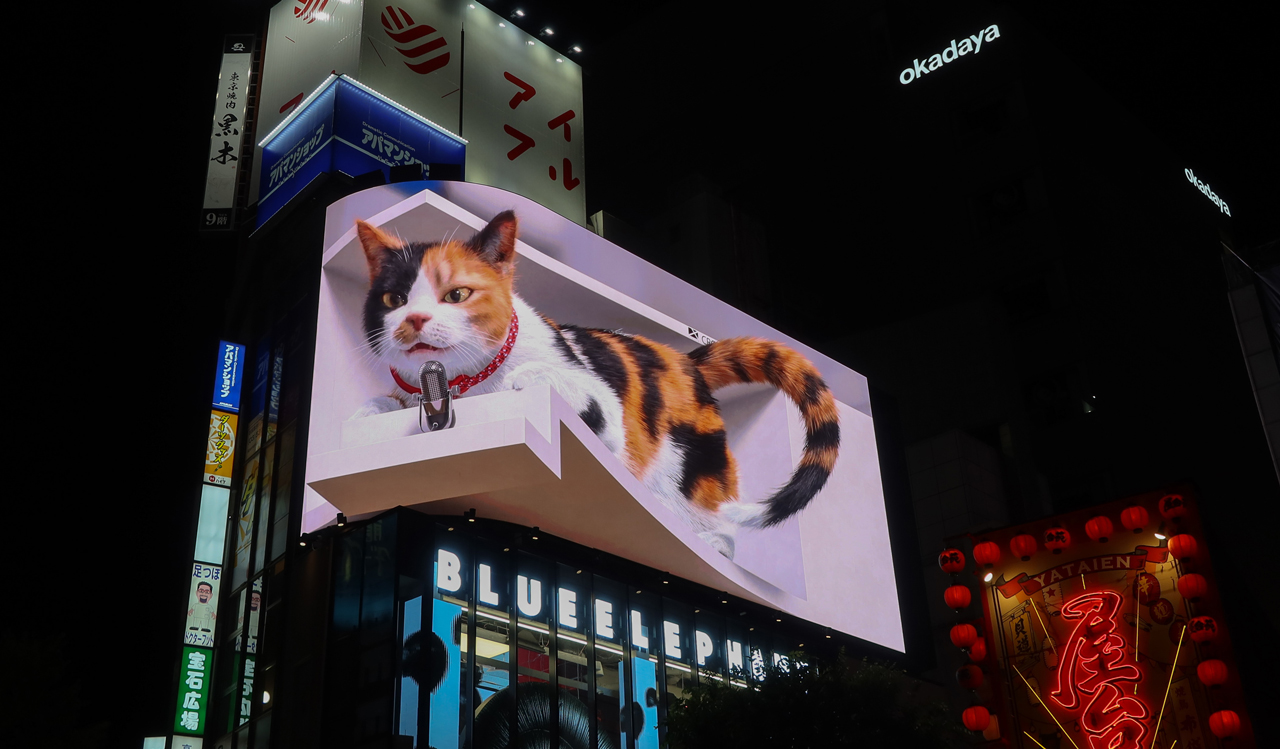
Direct: Explore synchronized screens, 3D and custom formats.

Published investigations and campaign-verification examples show why advertisers should ask for clear pricing, auditable delivery and defined accountability—regardless of how they buy.
US media-buying sources reported direct experience with nontransparent practices in the ANA/K2 study (2016).
Underdelivery identified in one UK programmatic DOOH campaign, as reported by Veridooh (2025).
Additional on-target impressions delivered in the following campaign after the shortfall was identified.
An independent K2 Intelligence study commissioned by the Association of National Advertisers documented undisclosed rebates and other nontransparent media-buying practices across multiple channels, including out-of-home.
Of 117 interviewees directly involved in US media buying, 59 reported direct experience with nontransparent practices. The study also documented markups of approximately 30–90% in certain principal-trading arrangements—not a typical broker fee or industry average.
Read the ANA/K2 findings ↗In a Veridooh case study published by The Drum, independent verification identified a major delivery shortfall in one UK programmatic DOOH campaign. The advertiser worked with its DSP to address the issue.
The following campaign included 508,255 additional on-target impressions. This vendor-reported case demonstrates the value of independent verification; it does not establish broker fraud.
Read the Veridooh case study ↗Primary references: ANA / K2 Intelligence (2016) · The Drum / Veridooh (2025)
Direct buying can offer a closer connection to the media, technology and creative possibilities of each screen. A capable broker can still add value through scale, negotiated rates and cross-network coordination—compare the actual economics and services.
Back to top ↑